JOSEPH COMIZIO, DDS, MBA
5 Things We Love About Braces

It’s common to hear patients say they’ve been thinking about straightening their teeth for years. Some are parents hoping their child feels confident in school photos or on the field during high school sports. Others are adults preparing for a wedding, a big presentation at work, or simply wanting to feel more comfortable when they smile.
For families searching for orthodontic care close to home, braces remain one of the most dependable and time-tested solutions. At Comizio Orthodontics, we often guide patients through different options for braces treatment and broader orthodontic care, helping them understand what fits their goals and lifestyle.
Here are five things we genuinely appreciate about braces—and why they continue to be such a meaningful part of orthodontic treatment.
1. Braces Create Beautiful, Lasting Results
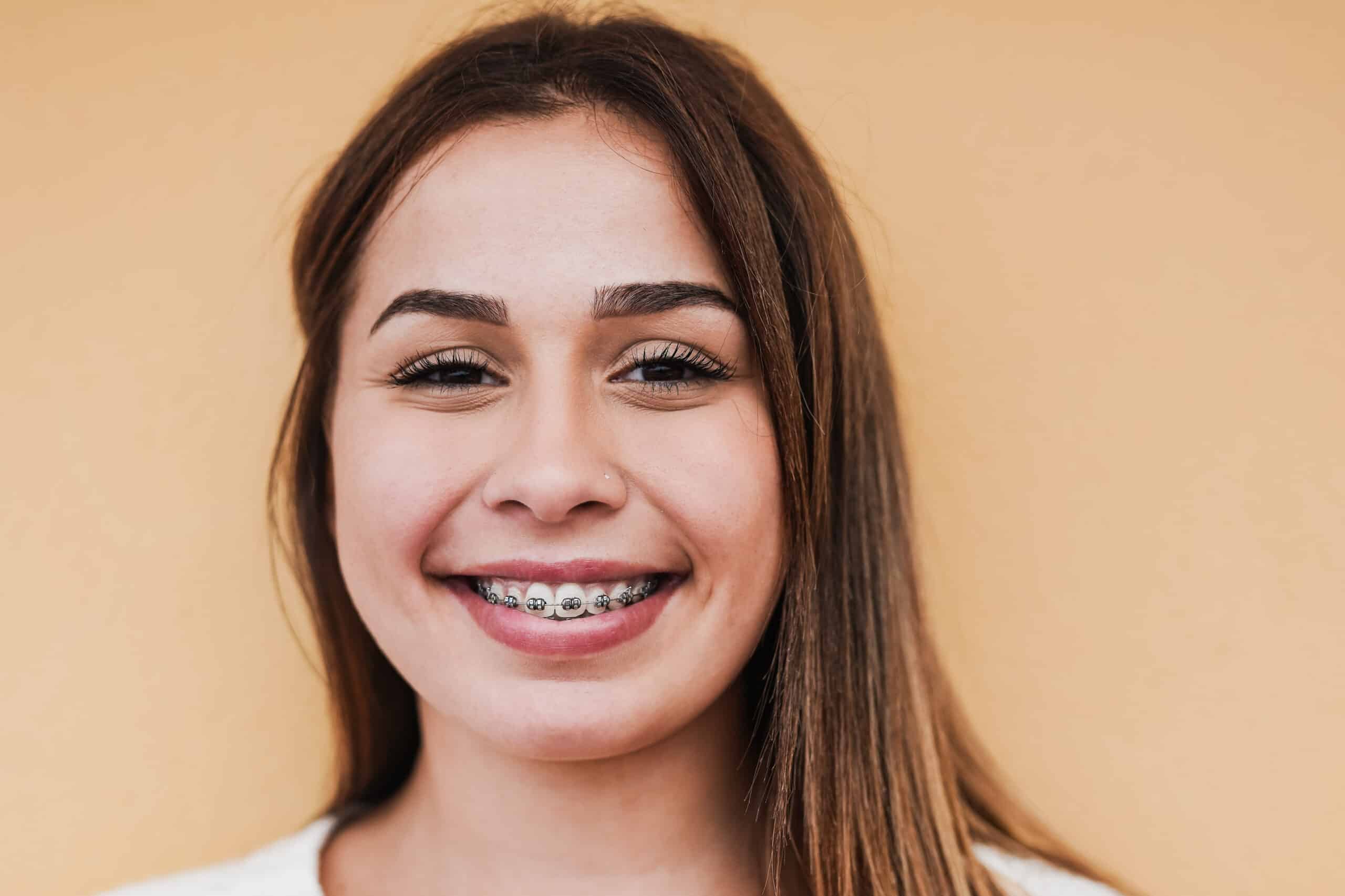
Braces have been trusted for generations because they work. The system of brackets and wires applies steady, controlled pressure that gradually moves teeth into healthier alignment.
From an orthodontic perspective, what makes braces so effective is their precision. Each adjustment is carefully planned to guide teeth into specific positions. Over time, that adds up to reliable alignment and long-term transformation.
Patients often notice improvements gradually—crowded teeth begin to straighten, gaps close, and their bite becomes more balanced. The result isn’t just cosmetic; it’s structural. When teeth are positioned properly, they’re more stable and easier to maintain for years to come.
2. They Improve More Than Appearance
While many people first consider braces because of how their smile looks, the benefits go beyond appearance.
Correcting bite issues can help reduce uneven wear on teeth and strain on the jaw. Proper alignment can also make brushing and flossing easier, which supports healthier gums and lowers the risk of cavities.
In some cases, improved positioning can even enhance speech clarity or reduce discomfort caused by misaligned bites. For students in Eastchester balancing school and activities, or adults commuting into the city for work, these functional improvements make everyday life more comfortable.
Orthodontics isn’t just about straight teeth—it’s about supporting long-term oral health.
3. Modern Braces Are More Comfortable Than Ever
There’s a common misconception that braces are bulky or painful. In reality, today’s braces are smaller, smoother, and more efficient than those used decades ago.
The brackets are designed with comfort in mind, and the wires apply gradual, controlled force. Most patients experience mild soreness after adjustments, but it typically fades within a few days.
We also see fewer emergency visits than in the past because materials are stronger and more refined. With good habits and regular check-ins, treatment can fit smoothly into busy family schedules, from school commitments to community events in nearby neighborhoods like Tuckahoe or Bronxville.
4. Braces Work for All Ages
Although braces are often associated with teenagers, they’re not limited to one age group.
Children may begin treatment when growth patterns suggest early correction will help guide jaw development. Teens frequently start braces during middle or high school, when most permanent teeth have come in.
Adults, too, are increasingly choosing orthodontic treatment. Some may have had braces years ago and want to correct shifting teeth. Others are addressing concerns they’ve had since childhood.
We regularly speak with professionals who want to feel more confident during meetings or presentations, as well as parents who decide it’s finally time to focus on their own smile. Orthodontic care can be appropriate at nearly any stage of life.
5. They Build Confidence Over Time
One of the most rewarding aspects of braces is watching confidence grow throughout treatment.
Patients begin to see small changes within months. Teeth gradually align. Smiles feel more natural. Milestone moments—like school dances, graduations, or family gatherings—become opportunities to smile more freely.
Because progress happens step by step, patients adjust along the way. By the time braces are removed, the transformation feels earned and meaningful. It’s not just about the final reveal—it’s about the journey.
How an Orthodontist Plans Braces Treatment Thoughtfully
Before recommending braces, a thorough evaluation is essential. This typically includes digital imaging, X-rays, photographs, and a detailed bite analysis.
For children, growth patterns are carefully considered. Timing can play a significant role in achieving efficient and stable results.
We also assess long-term stability. Proper alignment isn’t just about moving teeth—it’s about ensuring they remain in a healthy position after treatment. Retention planning is a key part of this process, which is why retainers are discussed early and monitored after braces come off.
Every recommendation is made with a conservative mindset: choosing the most appropriate approach for each individual’s oral health, goals, and lifestyle.
A Thoughtful Next Step
If you or your child have questions about alignment, bite concerns, or whether braces might be appropriate, a conversation can provide clarity. Many families in the Eastchester area appreciate having an open discussion about options before making decisions.
If you’d like to learn more or explore what treatment could look like for your situation, you’re welcome to schedule a consultation and connect with our team. We’re here to answer questions and provide guidance in a comfortable, informative setting.
Frequently Asked Questions
1. Do braces hurt?
Most patients experience mild soreness for a few days after adjustments. This is a normal response as teeth begin to shift. Discomfort is typically manageable and temporary.
2. How long does treatment usually take?
Treatment time varies depending on the complexity of alignment and bite correction. On average, braces may be worn for 18 to 24 months, though some cases are shorter or longer.
3. Are braces only for teenagers?
No. While many teens begin treatment, adults can benefit from braces as well. Orthodontic movement is possible at nearly any age, provided the gums and bone are healthy.
4. How do I care for my teeth during treatment?
Brushing carefully around brackets and wires, flossing daily, and attending regular check-ups are essential. Avoiding hard or sticky foods also helps protect the braces.
5. What happens after braces come off?
After braces are removed, retainers are used to maintain the new alignment. Wearing retainers as directed helps protect the investment made in treatment and supports long-term stability.