JOSEPH COMIZIO, DDS, MBA
Braces For Teeth Straightening – Care and Results You Deserve

For many patients, the decision to straighten their teeth starts with something simple—wanting to feel more comfortable smiling in photos, speaking in meetings, or showing up confidently at school or social events. Others notice bite issues or crowding that make daily oral care more challenging. These are conversations we hear often in our Eastchester office, especially from teens balancing school life and adults managing busy routines.
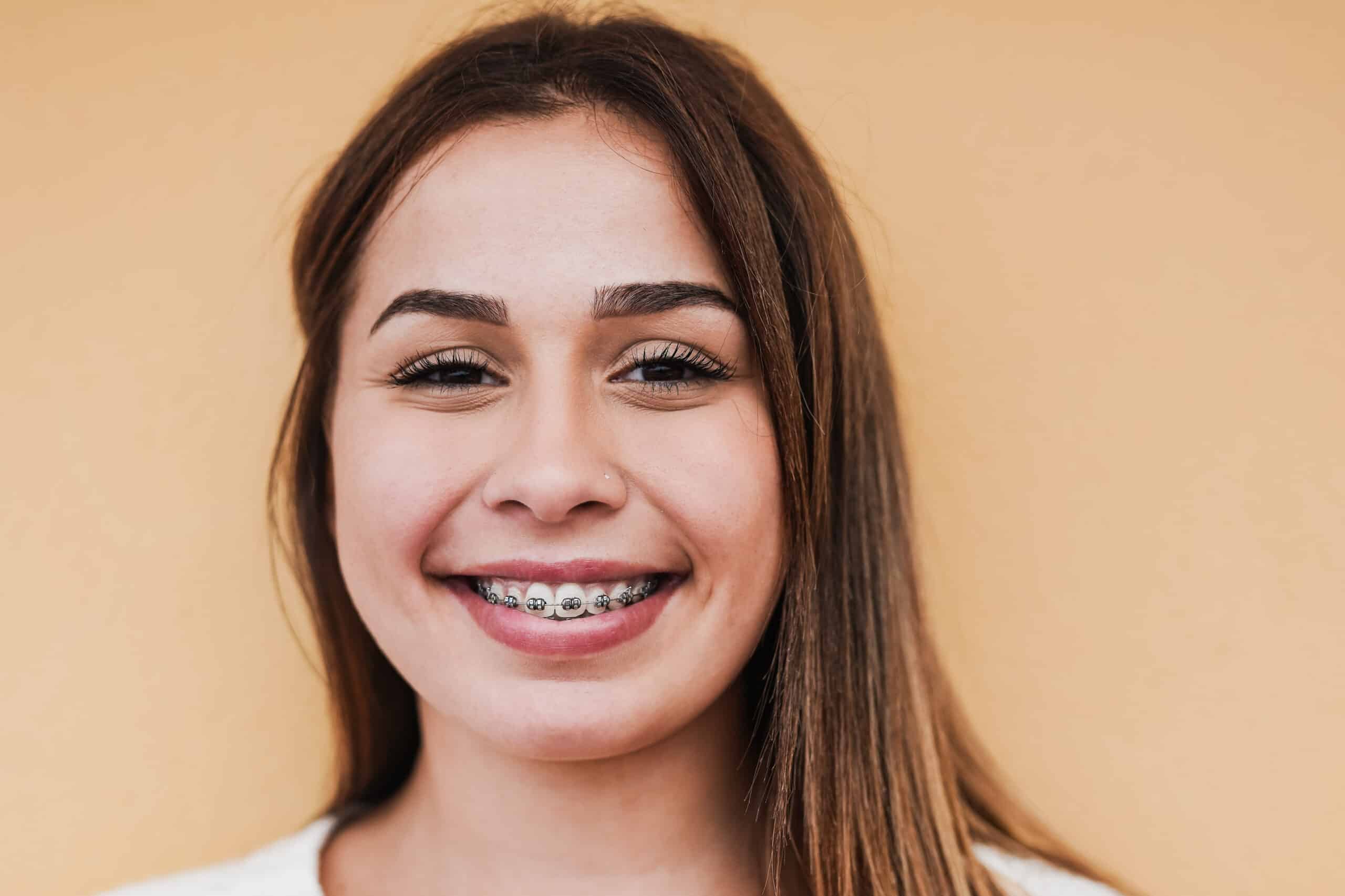
For those exploring options and patients looking for nearby orthodontic care for braces, understanding how treatment works can make the process feel far more approachable. Exploring different orthodontic approaches can help you see how braces are designed not just for appearance, but for long-term oral health and function.
What Do Braces Actually Fix?
Braces are designed to correct a range of alignment and bite concerns, not just visible crookedness. While many patients initially focus on appearance, orthodontic treatment often improves how teeth function together.
Common concerns braces address include:
- Crooked or crowded teeth that make cleaning difficult
- Spacing issues, such as gaps between teeth
- Bite problems, including overbite, underbite, and crossbite
- Jaw alignment that affects chewing or speaking
When teeth are properly aligned, it becomes easier to maintain oral hygiene, reduce uneven wear, and support overall dental health. The aesthetic improvement is important—but it’s closely tied to function.
Types of Braces Available Today
Orthodontic care has evolved significantly, offering options that fit different lifestyles and preferences.
- Traditional metal braces remain a reliable and effective choice, especially for more complex cases. Modern designs are smaller and more comfortable than in the past.
- Ceramic (clear) braces provide a more subtle appearance, often preferred by older teens and adults who want a less noticeable option.
Advancements in materials and design mean today’s braces are more efficient and easier to adapt to. Choosing the right type depends on your goals, daily routine, and how visible you’d like your treatment to be.
What to Expect During Braces Treatment
Starting braces treatment is a structured, step-by-step process that focuses on both comfort and long-term results.
- Initial consultation: Your orthodontist evaluates alignment, bite, and overall oral health.
- Treatment planning: Digital imaging and clinical assessment help map out tooth movement over time.
- Placement of braces: Brackets and wires are carefully positioned to begin guiding teeth.
- Regular adjustments: Periodic visits allow for controlled, gradual changes.
Treatment timelines vary, but most patients can expect a commitment of one to two years. The key is steady, consistent progress rather than quick changes.
Caring for Your Braces Day to Day
Daily care plays a major role in achieving the results you’re working toward.
- Brushing and flossing: Cleaning around brackets requires a bit more attention, but it’s essential for preventing plaque buildup.
- Food awareness: Avoiding hard, sticky, or overly crunchy foods helps protect your braces.
- Managing discomfort: Mild soreness is normal after adjustments and typically resolves quickly.
- Consistency: Following care instructions and keeping appointments ensures steady progress.
For students in Eastchester balancing school schedules or adults commuting to work, building these habits into your routine makes treatment feel more manageable over time.
Results You Can Expect From Braces
Braces gradually guide teeth into better alignment, leading to both visible and functional improvements.
- Straighter teeth that enhance your overall appearance
- Improved bite function for more comfortable chewing
- Better oral hygiene due to easier cleaning
- Increased confidence in social, academic, and professional settings
Whether it’s preparing for a milestone event or simply feeling more at ease day to day, these changes tend to build gradually—and naturally.
How an Orthodontist Plans Braces Treatment Thoughtfully
A thoughtful orthodontic plan begins with understanding the individual, not just the teeth.
- Listening to concerns: Each patient has different goals, whether cosmetic, functional, or both
- Digital imaging and evaluation: Detailed records guide precise treatment planning
- Bite analysis: Ensures that teeth align properly for long-term stability
- Growth considerations: Especially important for younger patients still developing
- Long-term planning: Focuses on maintaining results after treatment ends
A conservative, personalized approach helps avoid unnecessary interventions while supporting lasting outcomes.
Considering Your Next Step
If you’ve been thinking about straightening your teeth—or helping your child begin orthodontic care—it can be helpful to start with a conversation. Visiting a local practice in Eastchester allows you to ask questions, understand your options, and get a clearer sense of what treatment might look like for your specific needs.
You can learn more or schedule a consultation to explore what approach may feel right for you at this stage.
FAQs
Do braces hurt?
Braces don’t typically cause pain, but you may feel mild soreness after adjustments. This usually fades within a few days as your teeth adapt.
How long does treatment usually take?
Most treatments last between 12 and 24 months, depending on the complexity of alignment and bite correction.
Can adults get braces?
Yes, many adults choose braces to improve both appearance and oral health. Treatment plans can be adapted to fit adult lifestyles.
What foods should I avoid with braces?
It’s best to limit hard, sticky, or chewy foods like popcorn, caramel, and hard candies, as they can damage brackets or wires.
How do I know if I need braces?
An orthodontic evaluation is the best way to determine this. Signs may include crowding, gaps, bite issues, or difficulty cleaning certain areas of your teeth.