
JOSEPH COMIZIO, DDS, MBA
Do You Have These Common Orthodontic Problems? An Orthodontist Explains

Orthodontic treatment plays a vital role in improving both the function and aesthetics of your smile. Whether you’ve been considering braces or are already in the middle of your teeth straightening journey, understanding the common orthodontic problems can help you make informed decisions about your dental care. Dr. Comizio, an experienced orthodontist in Eastchester, is here to guide you through the most common issues patients face and how modern treatments can correct them.
Meet Dr. Comizio
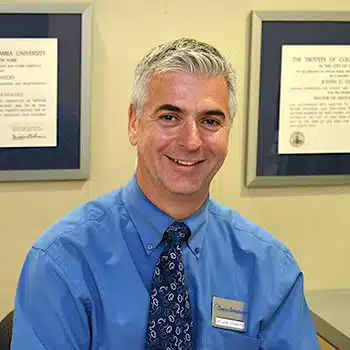
Dr. Comizio is a highly experienced orthodontist dedicated to helping Eastchester residents achieve healthy, beautiful smiles. With years of expertise and a commitment to staying at the forefront of orthodontic advancements, Dr. Comizio provides top-tier care, using the latest technology and techniques to deliver the best possible results for each patient. If you’re experiencing problems, schedule a consultation and learn how our treatments can improve your smile, boost your confidence, and support long-term oral health. With the right care, you can start your journey to a healthier, more comfortable smile today!
Common Orthodontic Problems That May Require Treatment
Smile correction issues vary in complexity, and recognizing them early can save you time and prevent future complications. Here are some common orthodontic problems and how an orthodontist can help:
1. Crowded Teeth
Crowded teeth occur when there isn’t enough space in your mouth for all your teeth to fit properly. As a result, teeth may overlap, twist, or shift, which not only impacts the appearance of your smile but also makes it difficult to maintain good oral hygiene.
In Eastchester, where the bustling lifestyle might leave little time for thorough dental care, crowded teeth are a common issue. Busy schedules often lead to missed dental visits, which can worsen the problem. Fortunately, treatment options like braces and clear aligners can effectively realign crowded teeth, enhancing both the function and beauty of your smile.
2. Overbite or Underbite
An overbite occurs when the upper front teeth extend beyond the lower teeth, while an underbite happens when the lower teeth protrude beyond the upper teeth. Both conditions can affect your ability to chew comfortably and may result in tooth wear, jaw pain, and even difficulty speaking.
In Eastchester, the community’s active lifestyle and events, such as the Eastchester Harvest Festival, encourage social gatherings where you may meet others facing similar orthodontic issues. Addressing bite problems early with a professional can prevent long-term oral health concerns and improve your quality of life.
3. Crossbite
A crossbite occurs when one or more of the upper teeth sit inside the lower teeth. This misalignment can lead to uneven tooth wear, gum disease, and even bone loss over time. A crossbite may also affect the appearance of your smile, causing facial asymmetry.
With the community’s variety of outdoor activities, residents enjoy an active, social lifestyle. But dental concerns, such as crossbites, can affect daily life. Early treatment can address crossbites, ensuring long-term health and improved facial symmetry.
4. Gap Teeth (Diastema)
Gap teeth, or diastema, are spaces that appear between two teeth, commonly between the upper front teeth. While some people may find gaps charming, they can lead to functional concerns such as difficulty chewing and speaking. Gaps in teeth may also cause discomfort over time if left untreated.
Eastchester’s active, community-focused residents, who enjoy both outdoor and social activities, can benefit from treating gaps in their teeth early. Braces or clear aligners can effectively close the gaps, restoring both function and appearance.
5. Teeth Grinding (Bruxism)
Teeth grinding, also known as bruxism, occurs when you unconsciously grind or clench your teeth, especially at night. This condition can lead to worn-down teeth, tooth sensitivity, and jaw pain, often caused by stress or anxiety.
In Eastchester, where people juggle work, school, and family life, stress can often lead to bruxism. The demands of everyday life, coupled with local stressors like tax season, can exacerbate teeth grinding. Fortunately, advanced treatment can help manage bruxism and reduce the associated symptoms, providing long-term relief.
The Role Of Orthodontist In Addressing Orthodontic Issues
An orthodontist in Eastchester, NY, can help you resolve many of these issues through a combination of traditional braces, clear aligners, and even functional appliances. By evaluating your dental health and assessing the severity of your orthodontic problems, an orthodontist can craft a personalized treatment plan tailored to your unique needs. The treatment options vary depending on your situation, but all aim to restore balance to your smile and jaw.
Why You Should See An Orthodontist?
While some smile correction issues may seem minor, ignoring them can lead to more serious complications. For instance, untreated crowding can cause teeth to become increasingly misaligned over time.
Orthodontic treatments like Invisalign for TMJ or braces not only address cosmetic concerns but can also enhance your overall oral health and comfort.
When you visit our dental office, we encourage you to schedule a consultation if you’re noticing signs of misalignment or discomfort in your mouth. Whether you’re experiencing jaw pain or concerned about the appearance of your smile, our specialist is here to work with you to find the most effective solution for your oral needs.
Schedule Your Personalized Consultation Today!
Your smile is unique, and your orthodontic treatment should be, too. At Comizio Orthodontics, we create individualized treatment plans for each patient to help correct common orthodontic problems. If you’re dealing with misaligned teeth or jaw discomfort, don’t wait to take action. Book an appointment today with Dr. Comizio, and let us help you achieve the smile you’ve always dreamed of.
FAQs
1. How long will my orthodontic treatment take?
The duration of orthodontic treatment depends on the severity of your case. Most treatments range from 12 months to two years, with regular adjustments to track your progress.
2. Can I eat normally with braces or Invisalign?
Yes, but there may be some restrictions with traditional braces. With Invisalign aligners, you can remove them to eat and drink as you normally would.
3. Are there age restrictions for orthodontic treatment?
Orthodontic treatments are suitable for all ages. While early intervention can be beneficial, many adults also successfully undergo treatments like Invisalign clear aligners.
4. Can I wear braces or Invisalign if I have a misaligned jaw?
Yes, braces or clear aligners can help realign both teeth and jaw, improving bite function and alleviating pain.
5. Do I need to wear a retainer after orthodontic treatment?
Yes, retainers are crucial after orthodontic treatment to maintain teeth alignment. Our specialist will provide guidance on when and for how long you should wear them.


