JOSEPH COMIZIO, DDS, MBA
How Often Should Athletes Replace Their Sports Mouthguards?

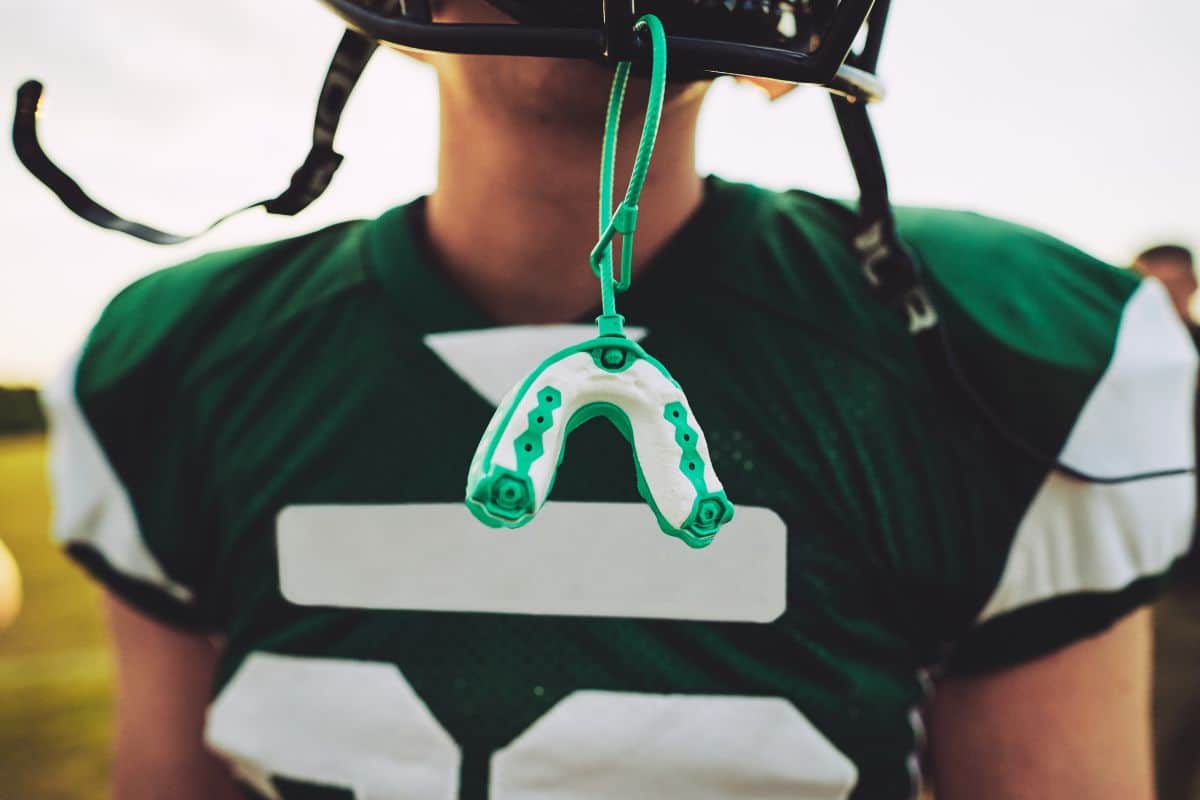
Athletes rely on strength, skill, and strategy—but their smiles need protection, too. Whether you play football, basketball, lacrosse, hockey, or martial arts, a well-fitted mouthguard protects your teeth, gums, and jaw during every practice and game. Yet most athletes don’t know how often they should replace their mouthguards.
At Comizio Orthodontics in Eastchester, we help athletes of all ages choose and maintain mouthguards that fit well and offer maximum protection. In this guide, you’ll learn how often to replace your mouthguard, how to spot wear and tear, and why orthodontic patients need special attention.
Why Mouthguards Matter for Every Athlete
A sports mouthguard absorbs shock, reduces the impact of hits or falls, and prevents serious injuries such as:
- Chipped or broken teeth
- Soft-tissue injuries to lips, cheeks, and tongue
- Jaw fractures
- Damage to braces or orthodontic appliances
- Concussions from direct impact
Athletes who wear braces need even more protection, as brackets and wires can cause severe cuts if they hit the inside of the mouth.
A well-fitted mouthguard doesn’t just protect—it also boosts confidence so athletes can perform at their best without hesitation.
How Often Should Athletes Replace Their Sports Mouthguards?
Most athletes should replace their sports mouthguards every season or every six months, whichever comes first.
But several factors can shorten the lifespan of a mouthguard:
1. Type of Mouthguard
- Custom mouthguards (made by an orthodontist): Longest lifespan and best fit
- Boil-and-bite guards: Moderate durability
- Stock guards: Least durable and often uncomfortable
2. Frequency of Use
Daily practice and weekend games wear down material faster.
3. Sport Intensity
High-contact sports (football, hockey, MMA, wrestling) require more frequent replacements.
4. Age of the Athlete
Kids and teens grow quickly, and their bites often change.
5. Braces or Orthodontic Treatment
Teeth shift throughout treatment, which affects fit and safety.
As a rule, athletes with braces should replace their mouthguard more often, typically every 3–4 months.
Clear Signs Your Mouthguard Needs Replacing
If you notice any of these issues, it’s time for a new guard—immediately:
- Cracks, tears, or rips
- Thinning or flattened areas
- Loose fit or slipping while playing
- Difficulty breathing or speaking
- Unpleasant odors even after cleaning
- Sharp edges that irritate lips or cheeks
- Color changes or visible wear
- The mouthguard no longer fits after braces adjustments
A mouthguard that doesn’t fit puts athletes at risk for injury and can cause more harm than good.
Mouthguard Replacement Guidelines for Athletes Wearing Braces
If you play sports and wear braces, your teeth will move throughout your treatment. That means your old mouthguard might stop fitting—even if it looks fine.
Here’s what orthodontic patients should follow:
- Replace the guard after major adjustments
- Bring the mouthguard to every orthodontic visit
- Choose an orthodontic-friendly mouthguard designed to fit over braces
- Never try to reshape a boil-and-bite guard after braces adjustments
At Comizio Orthodontics, we evaluate your guard at every visit to ensure you stay protected throughout treatment.
Which Type of Mouthguard Lasts the Longest?
Here’s a quick comparison to help athletes choose the right option:
| Custom | Excellent | Perfect fit | Longest-lasting | Competitive athletes, braces wearers |
| Boil-and-Bite | Good | Decent fit | Moderate lifespan | Recreational athletes |
| Stock | Low | Poor fit | Short lifespan | Occasional use only |
Custom guards provide the strongest protection because they fit your unique bite. They also last longer and hold up better during high-contact sports.
How to Make Your Mouthguard Last Longer
You can extend the lifespan of your mouthguard by following these easy care tips:
- Rinse and brush it after every use
- Store it in a ventilated case
- Keep it away from heat (cars, direct sunlight, hot water)
- Avoid chewing on it
- Clean it with mild soap—not toothpaste
- Bring it to your orthodontic checkups
Good maintenance supports better hygiene and a more secure fit.
The Risks of Not Replacing Your Mouthguard on Time
Using an old or damaged mouthguard puts athletes at risk for:
- Tooth fractures
- Soft-tissue cuts
- Jaw injuries
- Damage to braces
- Oral infections from bacterial buildup
- Reduced athletic performance due to discomfort
For growing athletes, these risks increase as teeth shift and old guards stop fitting properly.
When to Visit Your Orthodontist for a New Mouthguard
Visit Comizio Orthodontics if:
- A new sports season is starting
- You’ve had recent orthodontic adjustments
- The guard feels loose or uncomfortable
- You notice wear and tear
- Your bite has changed
- You experience irritation or pressure points
We evaluate your smile, check your bite, and recommend the right mouthguard based on your sport and orthodontic needs.
Frequently Asked Questions
How often should young athletes replace their mouthguards?
Kids should replace their mouthguards every 3–4 months or anytime their teeth shift.
Do athletes in braces need special mouthguards?
Yes. They need orthodontic-safe guards designed to fit comfortably over brackets and wires.
Can I use the same mouthguard for multiple sports?
You can, but high-impact sports require better protection, so one guard may not be ideal for everything.
Can mouthguards cause sores or irritation?
If the guard fits poorly or is worn out, it can rub and irritate soft tissues.
Protect Your Smile—Play With Confidence
A mouthguard is one of the most important pieces of safety equipment an athlete can wear. Replacing it on time ensures proper protection, comfort, and performance—especially for those in orthodontic treatment.
If you or your child plays sports, Comizio Orthodontics in Eastchester, New York, is here to help. We provide custom, braces-friendly mouthguards and evaluate your fit at every visit.